
Building Emergency Funds When Living Abroad: Best Practices for Expats
When your appendix ruptures at 2 AM in Bangkok, or your landlord suddenly sells the property you're renting in PortoLisbon, you'll discover something crucial: living abroad amplifies every financial emergency. The safety nets you relied on back home don't exist here. Your familiar bank is 8,000 miles away. Your health insurance operates under different rules. The currency you're paid in just dropped 15% against the dollar overnight.
I've watched expats navigate these moments. The ones who weather these storms share one thing in common: they built emergency funds designed specifically for international life, not generic savings accounts that work fine in Sioux Falls but fail spectacularly in Seoul.
Why Standard Emergency Fund Advice Fails Expats
The conventional wisdom to save three to six months of expenses assumes stability that doesn't exist when living abroad. You're operating in an environment where public systems function differently, tax obligations span multiple countries, and banking regulations can trap your money when you need it most.
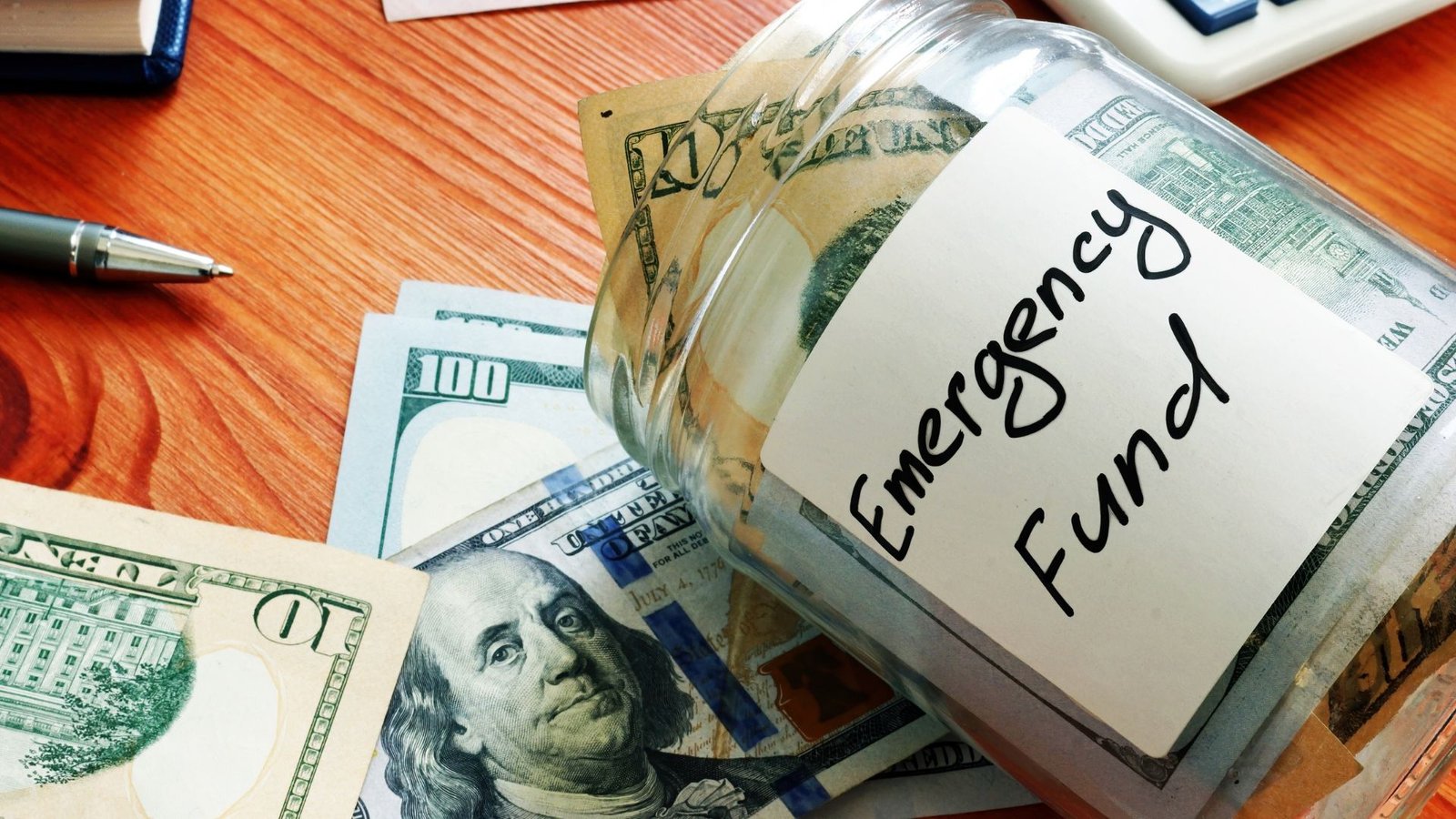
Consider the structural differences. In many countries, medical facilities require upfront payment before treating serious conditions. Employment contracts abroad often include housing provisions that can vanish with 30 days' notice. Visa renewals may demand proof of substantial liquid assets on short notice. None of these scenarios fit neatly into traditional emergency planning.
Living abroad also introduces cascading complications that compound simple problems. A job loss doesn't just mean finding new employment. It might trigger visa issues requiring immediate relocation, forfeiture of housing deposits, early termination fees for utilities and services, plus the cost of moving your possessions internationally. One emergency becomes five.
Calculating Your True Safety Net Requirements
Start with your baseline monthly expenses, but don't stop there. Add three critical layers most guidance ignores.
First, account for repatriation costs. If circumstances force you to leave your host country quickly, what would that cost? International flights for your family, shipping essential belongings, temporary housing while you resettle, and potential overlap where you're paying rent in two countries simultaneously. For a family of four, this alone might represent $10,000 to $25,000.
Second, factor in jurisdiction-specific risks. Research what happens if you lose your job or residence permit when living abroad. Some countries require departures within days. Others demand you maintain minimum bank balances to keep legal status. Understanding these requirements prevents assumptions that could leave you scrambling.
Third, include buffer capital for major life events that hit harder abroad. Having a baby overseas, dealing with a family emergency back home requiring extended travel, or managing a natural disaster in your host country all carry price tags that exceed domestic equivalents.
For most expats, this analysis points toward 9 to 12 months of expenses as a more realistic target, particularly during your first years in a new country.
Structuring Accounts for Crisis Access
Where you keep emergency funds matters as much as how much you save. The architecture of your accounts determines whether money reaches you in hours or gets stuck in bureaucratic delays for weeks.
Maintain a split structure. Keep 60-70% of your emergency fund in your host country using local banking infrastructure. This money handles immediate needs: urgent medical care, sudden housing changes, visa-related costs. It's denominated in the currency you spend daily and accessible without international transfer delays.
Hold the remaining 30-40% in your home country, preferably in a high-yield savings account or money market fund. This portion serves two purposes: it provides resources for emergencies requiring funds in your home currency, and it acts as a hedge against total account access failure in your host country (rare, but possible during political instability or banking system disruptions).
Select accounts with specific features expats need. Multi-currency capabilities let you hold balances in both your earning and spending currencies, protecting against exchange rate timing. Global ATM networks with fee reimbursements preserve your savings during withdrawals abroad. Online platforms with 24/7 access transcend time zones when emergencies don't wait for business hours.
Managing Currency Risk Strategically
Exchange rates represent a hidden threat to emergency funds when living abroad. Think through your dual exposure. If you earn in euros but maintain substantial dollar-denominated obligations (student loans, family support, U.S. property costs), you need reserves in both currencies. The reverse applies if you earn in dollars but pay rent, tuition, and daily expenses in pounds or yen.
Avoid the temptation to speculate. Your emergency fund isn't an investment vehicle for currency trading. Instead, align currency allocations with your actual spending obligations. If 70% of your monthly costs occur in your host country currency, hold approximately 70% of your emergency savings in that currency.
Review this balance quarterly. Major life changes (switching jobs, relocating to a new country, taking on new financial obligations) warrant immediate reassessment. Currency allocations that made sense when you arrived may need adjustment three years into your expat journey.
Building Consistency Into Your Savings Pattern
Establishing your emergency fund represents the easy part. Maintaining and replenishing it tests your discipline. International living presents endless competing priorities: exploring new countries, visiting family across oceans, managing higher housing costs in expensive cities, or funding your children's international school tuition.
Automate your contributions to eliminate decision fatigue. Set up standing transfers on the day your salary deposits, treating emergency fund contributions as non-negotiable as rent or utilities. This removes the monthly internal debate about whether you can "afford" to save this month.
When you tap your emergency fund, implement a replenishment plan immediately. Don't wait until the account fully depletes to start rebuilding. After using funds, temporarily increase your contribution rate until you restore your target balance. This might mean reducing discretionary spending for several months, but it prevents the dangerous drift toward operating without adequate reserves for living abroad.
Track your fund separately from other savings goals. Combining emergency reserves with travel funds, house down payments, or investment accounts creates mental accounting problems. You need to see clearly whether your safety net remains intact or has eroded over time.
Creating Your Action Plan Today
Living abroad rewards preparation and punishes assumptions. Your emergency fund serves as your first line of defense against the unexpected complications that international life inevitably delivers.
Begin by calculating your true requirement using the layered approach: baseline expenses plus repatriation costs, jurisdiction-specific buffers, and expat-specific contingencies. Then structure your accounts to balance accessibility and currency risk. Finally, establish automated systems that build and maintain your fund without requiring ongoing willpower.
As your financial advisor, I can help design an emergency fund strategy tailored to your specific international situation. We'll analyze your unique risk exposures, optimize your account structure, and create a funding plan that provides genuine security while you pursue your global opportunities. Let’s connect.
Advisory services provided by Balboa Wealth Partners, Inc., an Investment Advisor registered with the SEC. Advisory services are only offered to clients or prospective clients where Balboa Wealth Partners and its Investment Advisor Representatives are properly licensed or exempt from registration.


Facebook
LinkedIn